
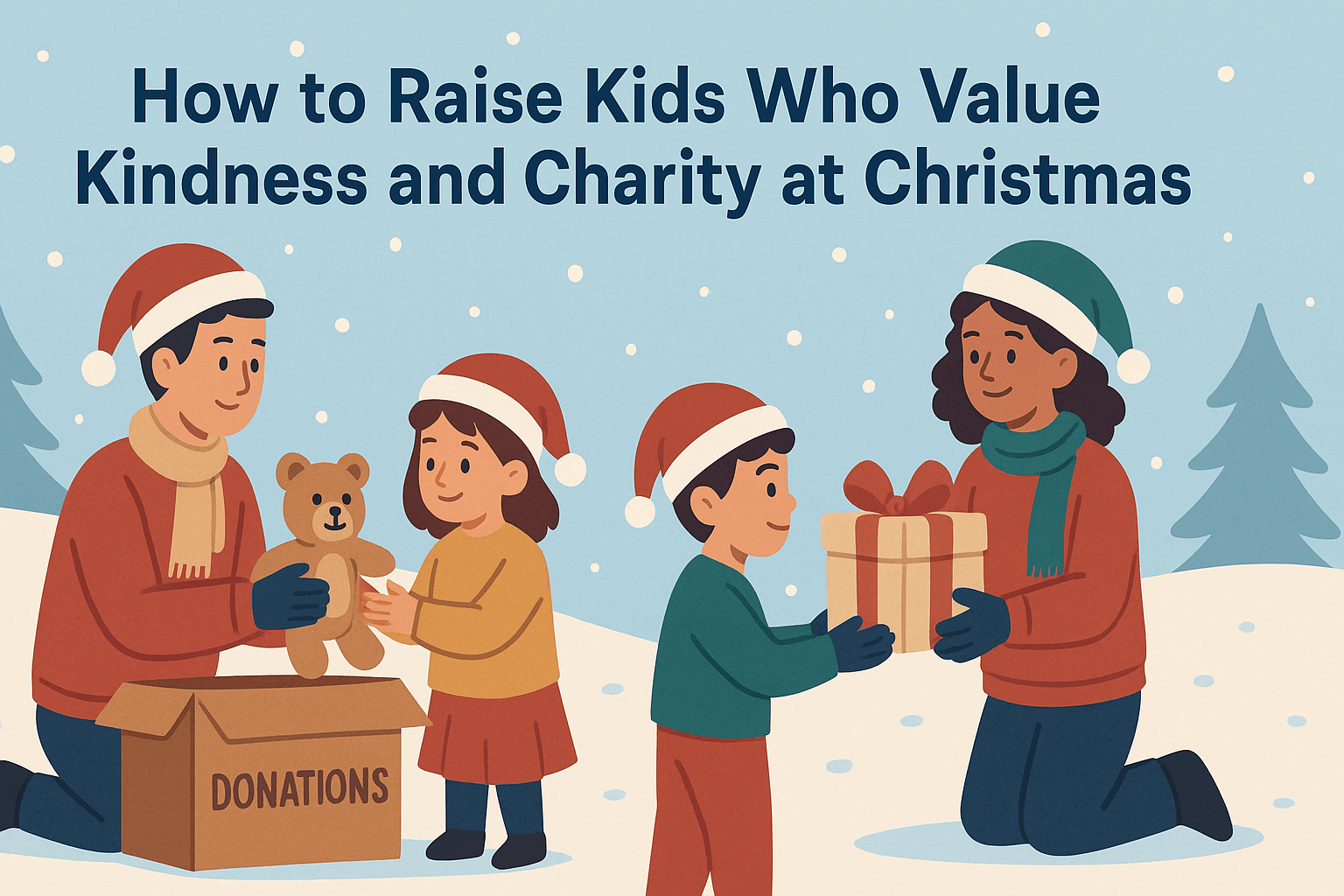
Christmas is exciting for children. Gifts, lights, treats, and holiday traditions make everything feel special. But kids also pick up the emotional side of the season. They notice how families act, how people help each other, and how kindness shows up in small moments. That is where the real value of Christmas begins.
Parents want kids to enjoy the fun things, but also understand that giving is part of the holiday. When children learn why generosity matters, they see Christmas differently. They don’t just wait for presents. They start thinking about others, too.
This article shares simple ways to help children feel the joy of kindness, charity, and compassion during Christmas. You’ll find practical steps that fit everyday family life and make the holiday more meaningful.
1. Talk About the Real Meaning of Christmas
Children understand more than adults expect. They notice when someone looks sad. They notice when a friend needs help. Christmas becomes a perfect time to talk about the true meaning of giving. It shows kids that kindness goes beyond physical gifts.
Speak to children in a simple and clear way. Explain why we help others and why it matters. Example:
- Helping someone feels good.
- Small actions make a difference.
- People need support during holidays.
Use real situations that they can relate to. Maybe a classmate shared lunch. Maybe a neighbor offered help. When examples feel familiar, the idea becomes clear. Kids start to see kindness as a normal part of life.
2. Give a Charity Gift Card in Their Name
Many parents buy toys, gadgets, or clothes for Christmas. These gifts are fun and memorable. But there is another way to make the holiday meaningful. Give a charity gift card or donation certificate in your child’s name. This simple gesture teaches kids something powerful. It shows that their actions can help someone else.
Instead of a regular present, make a donation on their behalf. There are trusted options for online Christmas donations through organizations like the American Red Cross. These donations support real causes. They help provide food for families, safe shelter for people in crisis, and emergency relief for communities after disasters. They even support education, medical care, and recovery programs for children and families who need help the most.
Parents can choose a cause that feels close to the child’s heart. Maybe it’s feeding families during the winter. Maybe it’s sending blankets to storm-hit areas. This idea does not replace gifts. It adds meaning to them. Children feel proud when they see that their name is connected to kindness. They learn that generosity is a gift too.
Why this idea works so well:
- It helps kids understand the real impact.
- It gives them a connection to charity.
- It makes giving feel personal.
A simple donation in their name becomes a memory they keep for years. It also builds empathy and confidence.
3. Let Kids Take Part in the Donation Process
Kids learn better when they take action. Involve them in the giving process. Let them choose a charity, a gift category, or a cause. Allow them to help with simple tasks related to the donation. They can:
- Sort old toys for donation.
- Pack gift boxes for other children.
- Choose food items for a shelter.
These actions build a strong message. Charity is not only about money. It is also about effort and time. Kids feel proud when they help. These small activities show that kindness can happen at any age. They also learn responsibility and awareness.
Another advantage is emotional growth. Kids see the result of their work. They understand why giving matters. These small steps build a habit that continues beyond holidays.
4. Show Them That Small Acts Can Change Someone’s Day
Kids often think charity needs a big action. But even small acts can create change. Teach them simple gestures:
- Holding the door for someone.
- Saying kind words to a friend.
- Sharing food with someone who is hungry.
These acts do not cost anything. Yet they show the heart of Christmas. They also help kids build emotional intelligence. They understand that kindness does not depend on age, money, or size. It grows from daily choices.
When children learn to help, they feel stronger and more confident. They know they can make a difference in their own way.
Conclusion
Kids remember the lessons they feel and experience. Christmas becomes the perfect time to show them compassion, generosity, and empathy. When children give, they discover a joy that lasts longer than gifts. These simple habits help them develop strong values and emotional awareness. Encourage small acts of kindness, include them in donations, and make charity a part of your family life. These lessons stay with them forever.

Emily Carter is the creative genius behind Paige Simple’s beautiful coloring pages and printables. With a background in graphic design and a flair for creativity, Emily ensures every design is both fun and inspiring. Outside of work, Emily enjoys painting, visiting art galleries, and spending time with her dog, Max. Explore Emily’s creations for a burst of color and creativity in your day!