
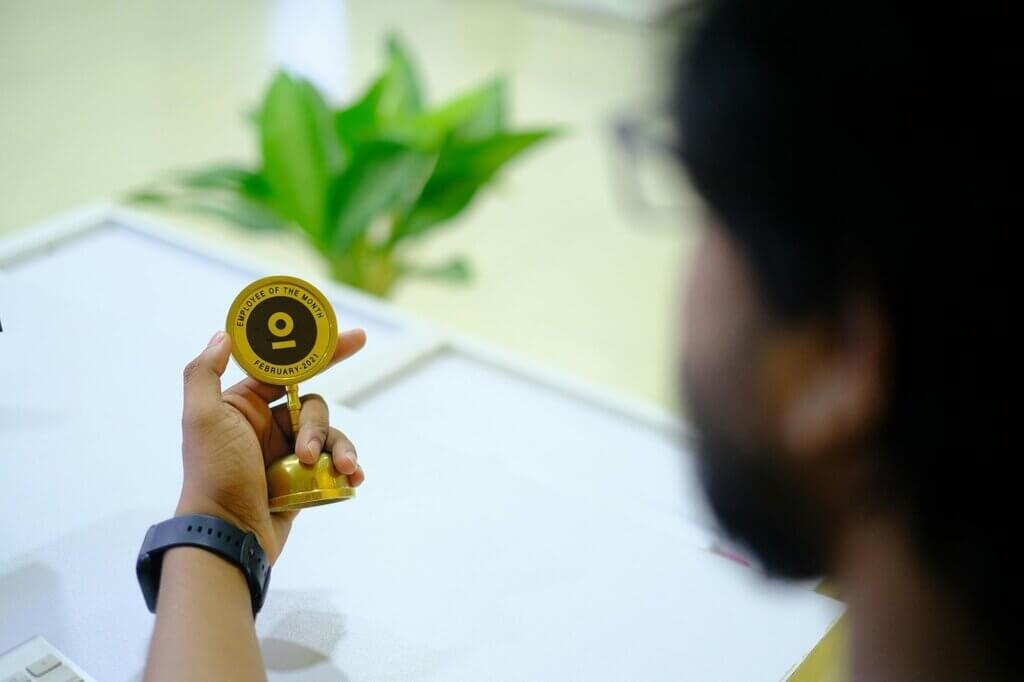
What makes employees truly engaged at work? It’s not just salary or job titles. It’s the feeling that their efforts are noticed and valued. Consistent recognition plays a powerful role in building that connection. When appreciation becomes a regular habit instead of a rare event, employees feel motivated, confident, and more committed to their goals. On the other hand, when recognition is missing or inconsistent, engagement slowly fades. In today’s fast-moving workplaces, small moments of appreciation can create lasting impact. In this blog, we’ll explore how consistent recognition directly strengthens employee engagement and overall performance.
The Psychology Behind Recognition: Understanding the Brain Science of Engagement
Why does recognition work so well? Because it speaks to something hardwired in us. Each time someone’s contributions get acknowledged, dopamine floods their brain, creating those positive feedback loops you want. This isn’t just pleasant neurochemistry. It’s the biological machinery that builds real, lasting engagement.
The Recognition Frequency Effect
Here’s what matters: how often you recognize people beats how big the gesture is. Consider this, 81% of employees who feel highly appreciated report strong job satisfaction, while only 7% of those feeling unappreciated or neutral say the same (WorldatWork). Weekly acknowledgment crushes annual awards every time.
There’s also the 41-day rule, which shows recognition’s impact fades when it’s delayed, meaning sporadic shout-outs quickly lose their effect. That’s why many organizations turn to the best employee recognition software to make appreciation consistent and timely. Companies that build recognition into everyday workflows see steady engagement, not just short-term spikes.
The Five Psychological Needs Recognition Fulfills
Quality employee recognition software addresses multiple psychological drivers simultaneously. It fosters belonging by linking individuals to their teams. It strengthens competence by spotting specific skills. It enables autonomy by letting employees recognize each other. Recognition connects individual work to meaningful goals, creating a sense of purpose. Plus, steady appreciation builds psychological safety. When you satisfy these needs, engagement stops feeling manufactured and starts feeling organic.
The Data-Driven Case: Recognition Metrics That Prove Engagement Impact
The evidence is overwhelming, recognition produces concrete business results. When you track recognition patterns, you spot engagement problems before they become retention disasters. Let’s dig into the data showing that appreciation is anything but fluffy.
Recognition Frequency and Engagement Correlation
How frequently should you acknowledge your team? Studies reveal weekly recognition triples engagement compared to monthly or quarterly efforts. Peer recognition and manager recognition work differently, peers strengthen team cohesion while managers validate career trajectories. To maintain both consistently, many teams implement peer to peer recognition software that accommodates both dynamics. Lots of companies now use platforms making acknowledgment straightforward and transparent, guaranteeing recognition happens often enough to stay effective.
Business Performance Indicators Affected by Recognition
Consistent recognition boosts productivity anywhere from 14-29%, depending on how well you execute. Retention climbs when your people feel valued, slashing the enormous expenses tied to turnover. Customer satisfaction tracks with how often employees receive recognition because engaged teams deliver superior service. Here’s a jaw-dropper: 72% of employees would choose a job where they feel supported and valued over one paying 30% more.
Revenue per employee generally increases in recognition-rich environments as people invest discretionary effort into their roles.
Recognition Program Architecture: Building Your Engagement Foundation
Designing an effective recognition framework demands intentionality. Random compliments ring hollow. Structured acknowledgment reshapes culture. You’re not trying to force gratitude, you’re making recognition feel genuine and spontaneous.
Core Components of High-Impact Recognition Systems
Immediate acknowledgment outperforms delayed praise by connecting action to outcome in real time. Multi-directional recognition flows, peer-to-peer, upward, downward, build a culture where participation is universal. An employee recognition platform needs to link recognition with company values, translating abstract ideals into tangible examples. Milestone tracking prevents long-term accomplishments from disappearing amid daily chaos.
Recognition Types That Drive Different Engagement Outcomes
Financial rewards motivate differently than public spotlights or quiet praise. Sometimes a handwritten note carries more weight than a bonus. Instant micro-recognition, those quick thank-yous for minor victories, creates momentum, while formal award ceremonies honor major milestones. Team recognition builds collective identity; individual acknowledgment validates personal impact. Winning programs balance these approaches instead of depending on one type.
Technology-Enabled Recognition: Digital Platforms for Consistent Engagement
Technology amplifies what manual efforts can’t sustain. Manual recognition programs fight battles with consistency and visibility. Digital solutions systematize appreciation. The right online employee recognition program eliminates friction from acknowledgment, enabling universal participation.
Essential Features of Modern Recognition Software
Social feeds broadcast recognition so others draw inspiration. Mobile access ensures remote and field workers participate equally. Analytics dashboards expose patterns, who’s giving recognition, who’s receiving it, where blind spots lurk. Integration with platforms like Slack and Microsoft Teams reaches people in their existing workflows. Customizable categories let you celebrate what’s unique to your culture.
Selecting the Right Platform for Your Organization
Small businesses prioritize simplicity and budget-friendliness, while enterprises demand robust analytics and multilingual capabilities. Implementation spans vary, some platforms deploy in weeks, others require months for customization. Change management support determines whether adoption thrives or collapses. When evaluating vendors, prioritize intuitive design over feature overload, because complexity destroys participation, and focusing on usability often distinguishes them from tools that dazzle in demos but collect dust in practice.
Common Questions About Employee Recognition and Engagement
What’s the difference between employee recognition and employee appreciation?
Recognition spotlights specific accomplishments or behaviors, while appreciation conveys broader gratitude for someone’s presence and value. Both are essential, but recognition connects to performance while appreciation cultivates belonging. The most successful programs incorporate both rather than treating them as synonyms.
How often should employees be recognized to maintain engagement?
Weekly recognition generates triple the engagement of quarterly acknowledgment. Monthly is the baseline frequency for sustained impact, though more frequent is superior. That 41-day rule indicates recognition’s influence decays after roughly six weeks, so regularity trumps occasional grand displays for maintaining engagement.
Why do some employee recognition programs fail?
Vague praise feels disingenuous, mandatory recognition breeds cynicism, and sporadic participation destroys trust. Programs collapse when they’re cumbersome to navigate, lack executive buy-in, or when recognition doesn’t feel real. Success demands simplicity, leadership demonstration, and cultural fit rather than just deploying technology.
Final Thoughts on Building Engagement Through Recognition
Recognition isn’t optional for engaged workplaces, it’s the infrastructure. Regular acknowledgment establishes the psychological safety and belonging that fuel performance, retention, and satisfaction. Evidence confirms appreciation delivers quantifiable returns, from productivity increases to turnover savings. Technology scales recognition effectively, but authenticity gives it meaning.
Whether you’re launching fresh or optimizing an existing initiative, remember that modest acknowledgment gestures accumulate into substantial engagement dividends. Begin with what’s available, recognize what’s significant, and observe how appreciation revolutionizes your workplace culture one moment at a time, and when you’re assessing solutions, selecting the best employee recognition software can make maintaining consistency remarkably simpler.

Chase Ortiz is part of the team at PaigeSimple, where he takes care of all the advertising requests. With a sharp eye for detail, Chase makes sure every advertising opportunity is handled smoothly, helping the site grow and reach more people. His ability to manage these tasks efficiently makes him an important part of the team.