
Running a restaurant is a bit like conducting an orchestra. When everyone shows up on time, knows their role, and works together, the whole service flows beautifully. But if even one section is missing or confused, things start to fall apart pretty quickly.
If you’ve ever worked in hospitality, you already know this feeling. The dinner rush hits, two servers are late, someone asked for a shift swap that never got confirmed, and suddenly the manager is juggling schedules instead of focusing on guests.
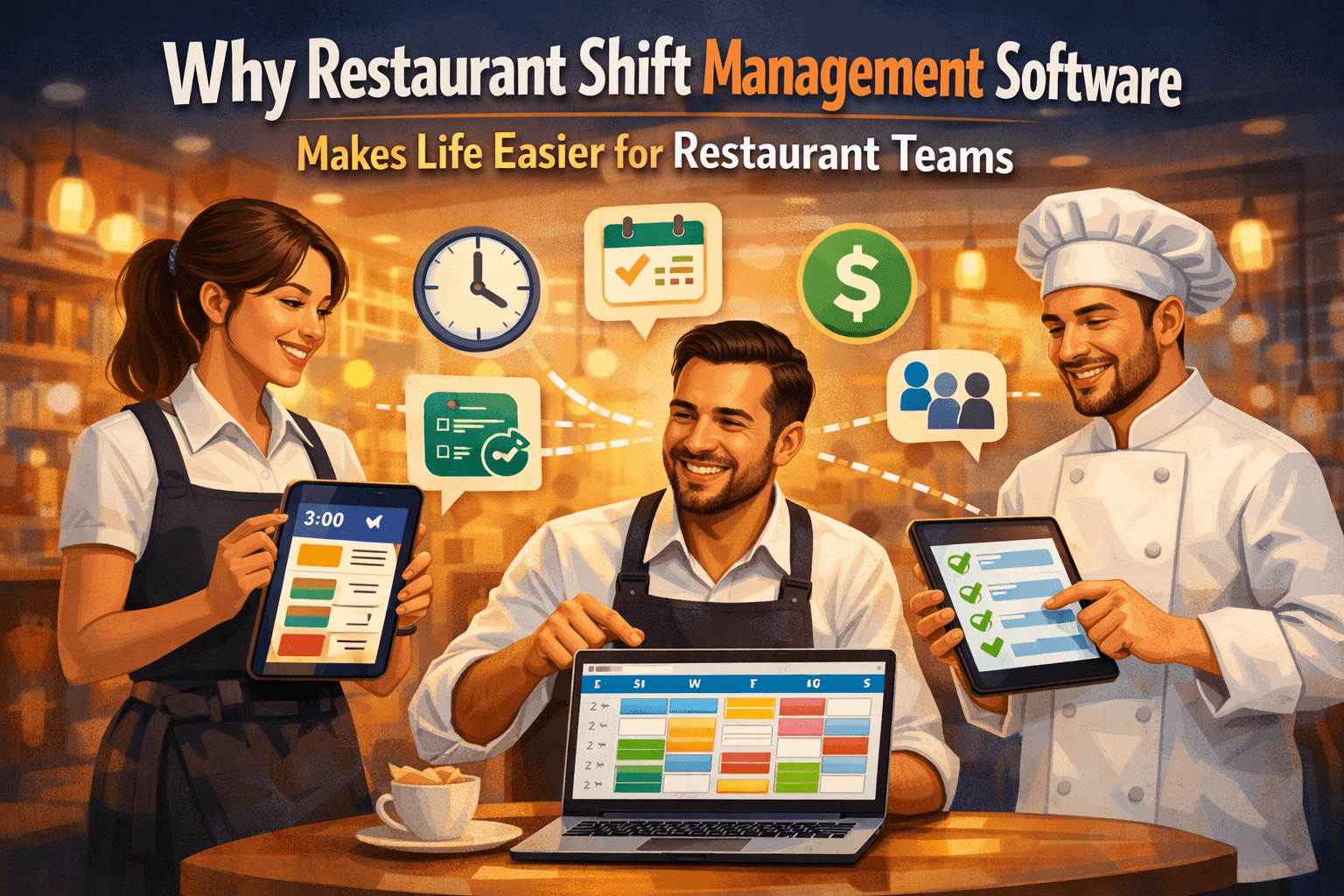
That’s exactly why many modern restaurants rely on restaurant shift management software. It helps organize schedules, reduce confusion, and keep the entire team on track during busy services.
It may sound like a small operational tool, but honestly, it can change the way a restaurant runs day to day.
The Reality of Scheduling in Restaurants
People outside the industry sometimes assume scheduling is simple. Just assign staff to a shift and you’re done. If only it worked that way.
In reality, restaurant scheduling is constantly changing. One week the dining room is quiet. The next week there’s a sudden rush because of a local event. Staff availability shifts, vacations happen, and sometimes someone calls in sick an hour before service.
Managers often end up dealing with:
-
Last minute shift changes
-
Overlapping schedules
-
Understaffed peak hours
-
Confusion about roles during service
-
Endless messages between staff members
Many restaurants still manage this with spreadsheets or paper schedules posted in the staff room. And while that system might work for a small team, it starts to break down as the restaurant gets busier.
A Simpler Way to Organize Staff Shifts
Shift management software brings structure to what is usually a messy process.
Instead of editing spreadsheets or sending schedule updates through group chats, managers can create weekly schedules inside a single system. Once published, staff members receive notifications and can check their shifts anytime.
What makes these tools especially useful is how they handle everyday problems like shift swaps or availability updates. Rather than calling the manager or texting coworkers, employees can request changes directly through the system.
Over time, that simple change removes a surprising amount of confusion from daily operations.
Communication Gets Much Easier
Here’s something every restaurant manager has experienced. You update the schedule, assume everyone saw it, and then someone shows up at the wrong time.
It happens all the time.
The problem usually isn’t the staff. It’s the communication process. Messages get buried in group chats. Paper schedules get outdated. Someone forgets to check the update.
Shift management platforms help by keeping everything in one place. Staff members can view their schedules, receive updates, and confirm shifts without chasing down managers for information.
It may seem like a small improvement, but better communication often leads to smoother services and fewer stressful moments during peak hours.
Keeping Labor Costs Under Control
Labor costs are one of the biggest expenses in the restaurant business. If too many employees are scheduled during slow hours, the numbers quickly add up. But if there aren’t enough staff members during busy periods, service suffers.
Finding that balance can be tricky.
Scheduling tools help managers see patterns in reservations and service traffic. Over time, they can adjust shifts to match real demand instead of guessing how busy a night might be.
It’s not about cutting staff. It’s about scheduling smarter so the team is properly supported when it matters most.
Staff Appreciate Flexible Scheduling
Restaurant teams today expect more flexibility than in the past. Many employees want quick access to their schedules and the ability to request changes without a complicated process.
Shift management software helps meet those expectations. Staff can:
-
Check schedules on their phones
-
Request shift swaps when needed
-
Update availability
-
Receive real time notifications about schedule changes
This kind of transparency makes a difference. Employees feel more informed and managers spend less time coordinating adjustments manually.
And honestly, fewer scheduling headaches make everyone’s job a little easier.
Small Tool, Big Operational Impact
Restaurant technology often focuses on things like reservations, POS systems, or online ordering. Those tools are important, of course. But staff scheduling is just as critical to daily operations.
When shifts are organized and communication flows smoothly, the entire restaurant benefits. Managers stay focused on service instead of logistics, employees know exactly when they’re needed, and guests receive a better experience.
Sometimes the most helpful tools are the ones working quietly behind the scenes.
Shift management software is one of those tools. It may not be visible to customers, but it plays a huge role in keeping a restaurant running the way it should.

Chase Ortiz is part of the team at PaigeSimple, where he takes care of all the advertising requests. With a sharp eye for detail, Chase makes sure every advertising opportunity is handled smoothly, helping the site grow and reach more people. His ability to manage these tasks efficiently makes him an important part of the team.