
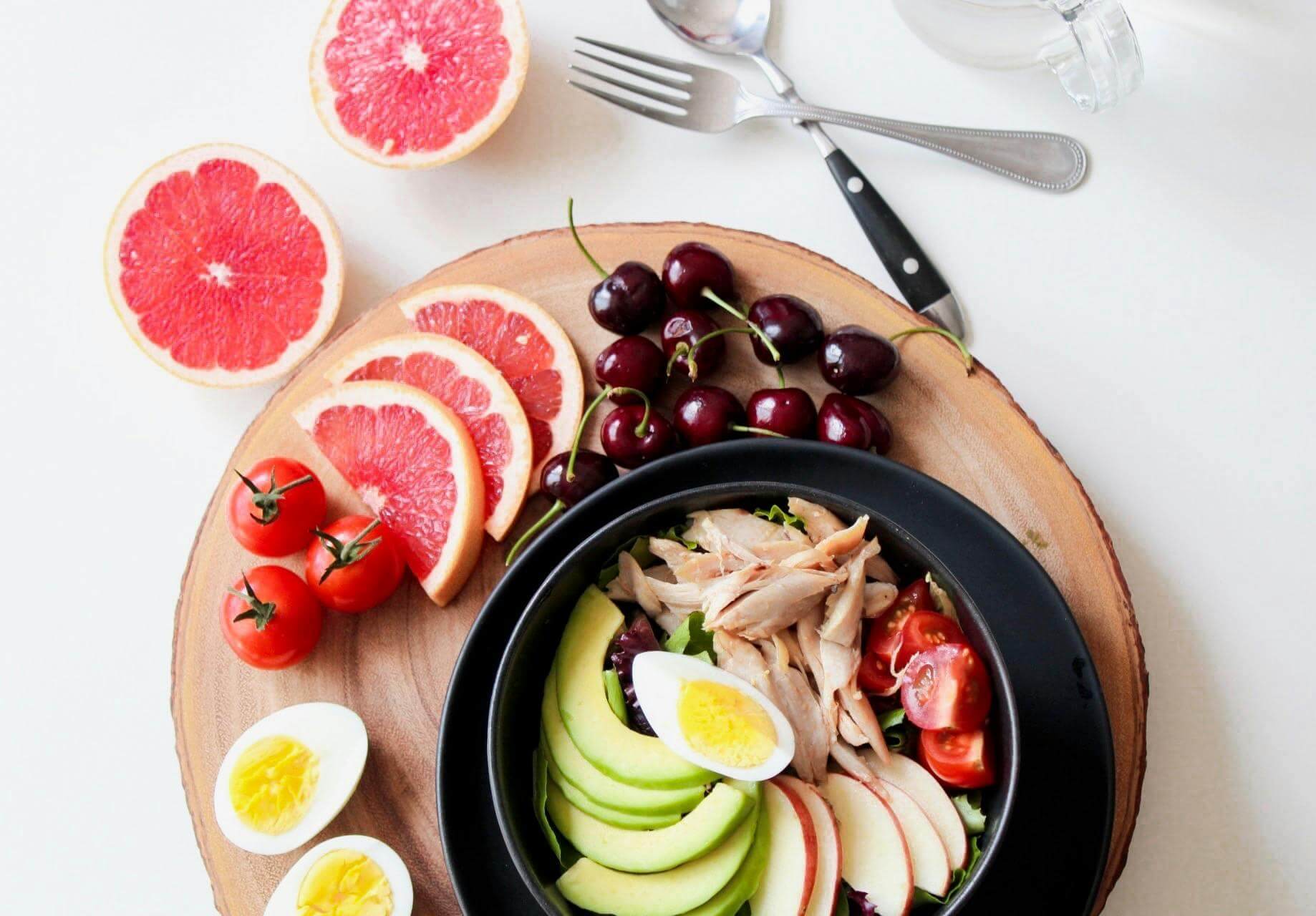
We tend to think of mood as something that lives only in the mind, shaped by thoughts, worries, and the latest crisis in our inbox. Yet much of what we call “feeling like ourselves” is quietly built in the body, plate by plate, through the chemistry of our everyday meals. Food will not erase hardship or magically switch off anxious spirals, but it can create a steadier biological backdrop, giving our thoughts a softer place to land.
Modern life bombards us with stimulation and quick fixes: endless scrolling, streaming, impulse shopping, and distractions like online ipl cricket betting in india that promise instant excitement while our nervous system quietly frays. Against that noisy backdrop, regular, balanced meals can act like a stabilising rhythm. They support serotonin and other neurotransmitters that keep mood, focus, and sleep on a more even keel.
Serotonin, in Plain Language
Serotonin is often described as a “feel-good chemical,” but that label is too neat. It is involved in mood, appetite, sleep, pain perception, and even how we read other people’s expressions. Many serotonin receptors are not in the brain at all but in the gut. This does not mean dinner can replace therapy, yet it does mean that eating patterns nudge our emotional life in one direction or another.
The body cannot simply absorb serotonin from food. It uses raw materials: amino acids, vitamins, and minerals. One key ingredient is tryptophan, an amino acid found in protein-rich foods. Tryptophan needs carbohydrates to help it cross into the brain and relies on nutrients like vitamin B6, iron, and magnesium to convert into serotonin. A “serotonin menu” is therefore less about miracle foods and more about balanced combinations that appear consistently.
What a Serotonin-Supportive Meal Looks Like
If we strip away fashionable trends, a mood-supportive meal has three main pillars: protein, complex carbohydrates, and healthy fats, with colourful plants woven through. This structure sounds almost boring, but its reliability is precisely the point.
- Protein provides tryptophan and other amino acids for neurotransmitters.
- Complex carbohydrates—whole grains, beans, lentils, and starchy vegetables—help tryptophan reach the brain.
- Healthy fats from nuts, seeds, olives, and fish support flexible cell membranes so brain cells can communicate smoothly.
- Vegetables and fruits bring fibre and micronutrients that feed gut bacteria and influence signalling pathways tied to mood.
When these elements appear across the day, blood sugar rises and falls more gently. That translates into fewer sharp energy crashes and a slightly wider emotional “window” in which to respond rather than react.
Everyday Meals, Not Perfect Plates
A serotonin-friendly pattern can be extremely ordinary. A bowl of oatmeal with yogurt and fruit, a chickpea and vegetable curry over rice, or a simple rice-and-beans dish with avocado all quietly support the chemistry we rely on to think clearly and feel reasonably steady.
Snacks play a role, especially for overthinkers who forget to eat while immersed in tasks. Small, regular options—nuts and fruit, hummus with whole-grain crackers, cheese with carrot sticks—can prevent the jittery, hollow feeling that often precedes a cascade of catastrophic thoughts. Sometimes what feels like a personality flaw is partly a low-blood-sugar problem.
Overthinking and the Body’s Alarm System
Overthinking is often framed as a purely cognitive issue, but it is also a nervous system pattern. When we live on irregular meals and sugary pick-me-ups, the body reads that instability as stress. Stress hormones rise, sleep quality suffers, and the brain slips into a hypervigilant mode. In that state, every email sounds urgent and every small mistake feels disastrous.
Consistent, balanced meals act as signals of safety: resources are available, you are not under immediate threat. Over time, this lowers the background level of physiological alarm. In a calmer body, it becomes easier to question a fearful thought instead of automatically believing it. The gut, supported by fibre and fermented foods, also sends steadier feedback along the gut–brain axis, which can soften all-or-nothing thinking.
Practical Ways to Build Your Own Serotonin Menu
Instead of trying to change everything overnight, it is usually more realistic to make modest, repeatable adjustments:
- Start the day with something substantial. Whole-grain toast with eggs, porridge with nuts, or leftovers from dinner all work better than coffee alone.
- Include protein at each meal. Lentils, tofu, fish, poultry, beans, or dairy can anchor the plate and keep you satisfied longer.
- Enhance what you already eat. Add vegetables to pasta, throw beans into soups, or sprinkle seeds over salads and oats.
- Plan simple “bridge snacks.” Keep something small and balanced on hand for the gap between meals so you are not making food choices while shaky and exhausted.
None of these changes are glamorous, but together they form the quiet scaffolding that mood rests on.
Food as One Piece of the Mood Puzzle
Food is only one piece of emotional health. It does not replace therapy, medication, supportive relationships, or adequate sleep. Yet because we eat several times a day, it offers a tangible way to influence how we feel over time. A thoughtful “serotonin menu” is not about moral purity or perfect discipline; it is about giving your brain and body the basic conditions they need to do their work.
In practice, that might look like cooking a simple dinner instead of skipping the meal, packing a snack because you know the afternoon will be busy, or choosing foods that leave you feeling grounded rather than jittery. These decisions rarely feel dramatic in the moment, but accumulated over weeks and months, they can help quiet relentless overthinking and create a more stable emotional climate.

Chase Ortiz is part of the team at PaigeSimple, where he takes care of all the advertising requests. With a sharp eye for detail, Chase makes sure every advertising opportunity is handled smoothly, helping the site grow and reach more people. His ability to manage these tasks efficiently makes him an important part of the team.